

Together, not separately.
No child arrives carrying just one challenge.
Communication touches learning.
Movement shapes confidence.
Emotions find their way into every part of the day.

Nothing grows alone.
Neither does care.
Different professions.
Shared conversations.
One direction.
Communicate
Every child already has a voice.
Sometimes it fills the room.
Sometimes it appears in a glance.
Or a hand reaching towards a parent.
Words are only one way of being understood.

Speech, Language & Communication Therapy
A sound becomes a word.
A word becomes a choice.
A choice becomes a conversation.
Language doesn't appear all at once.
It grows, little by little,
in moments that often seem ordinary.
Our approach supports children in developing communication in ways that are meaningful to them.
Our areas of support include:
Speech & Language
Receptive & Expressive Language
Speech & Language Development
Speech Sound & Articulation
Communication
Social Communication & Interaction
Pragmatic Language
Verbal & Non-Verbal Communication
Expression & Interaction
Alternative & Augmentative Communication (AAC)
Individualised Communication Support

Music Therapy
Some children answer a melody long before they answer a question.
A rhythm.
A pause.
A familiar song.
Sometimes music reaches a child before words can.
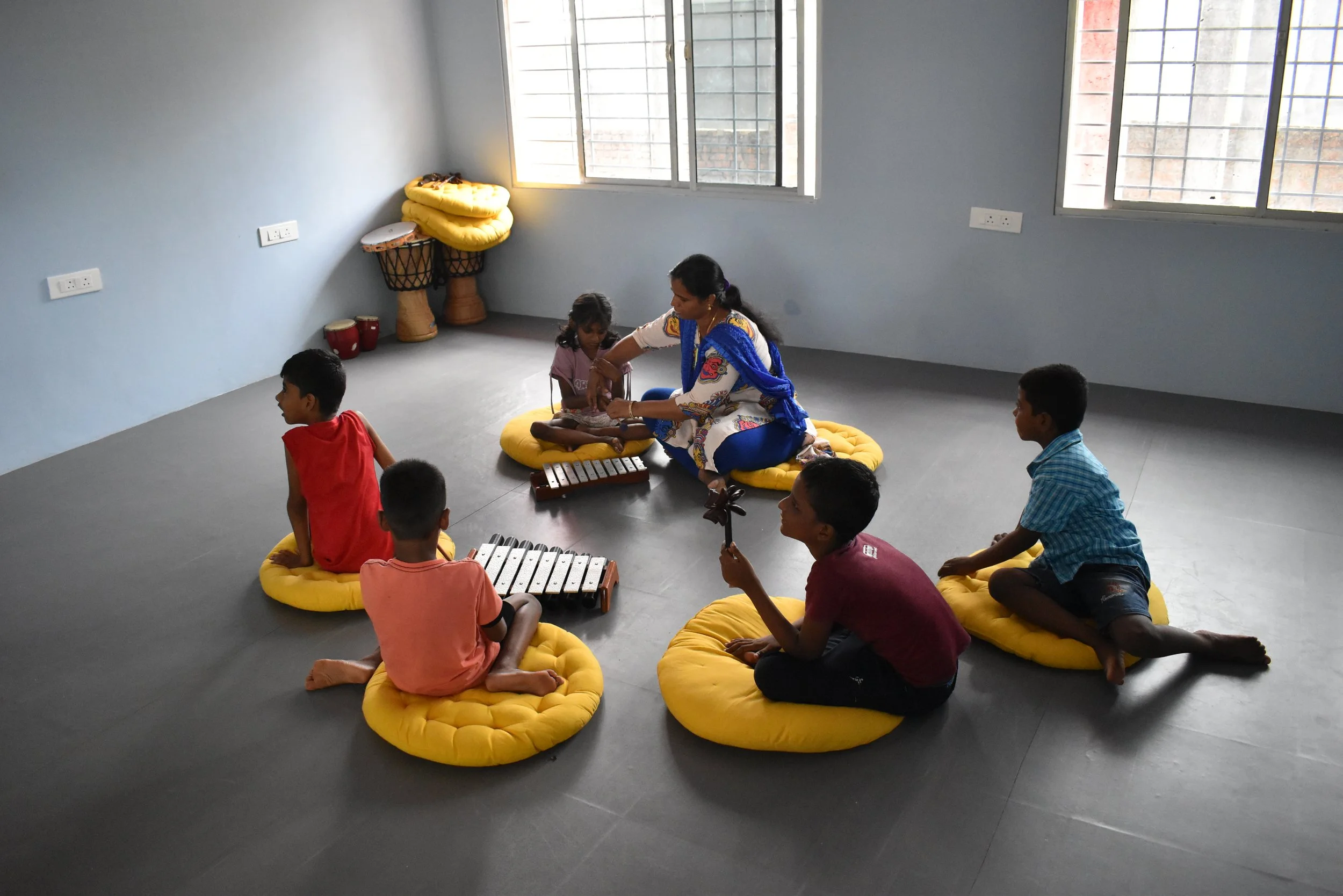
Our music therapy approach uses sound, rhythm and musical expression to support communication, interaction and emotional expression.
Our areas of support include:
Musical Expression
Exploring sound and rhythm
Musical expression
Singing and instrumental activities
Communication & Interaction
Supporting communication through music
Turn-taking and shared attention
Social interaction
Emotional & Developmental Support
Emotional expression
Self-expression and confidence
Participation and engagement
Grow
Progress rarely announces itself.
It slips quietly into everyday life.
Shoes tied without help.
A swing crossed alone.
Waiting.
Trying again.
One day, nobody notices.
Because what once felt impossible has become ordinary.
Occupational Therapy
New skills find their place in everyday life.
At home.
At school.
Around a table.
On a playground.
Behind every repeated gesture lies a future victory.
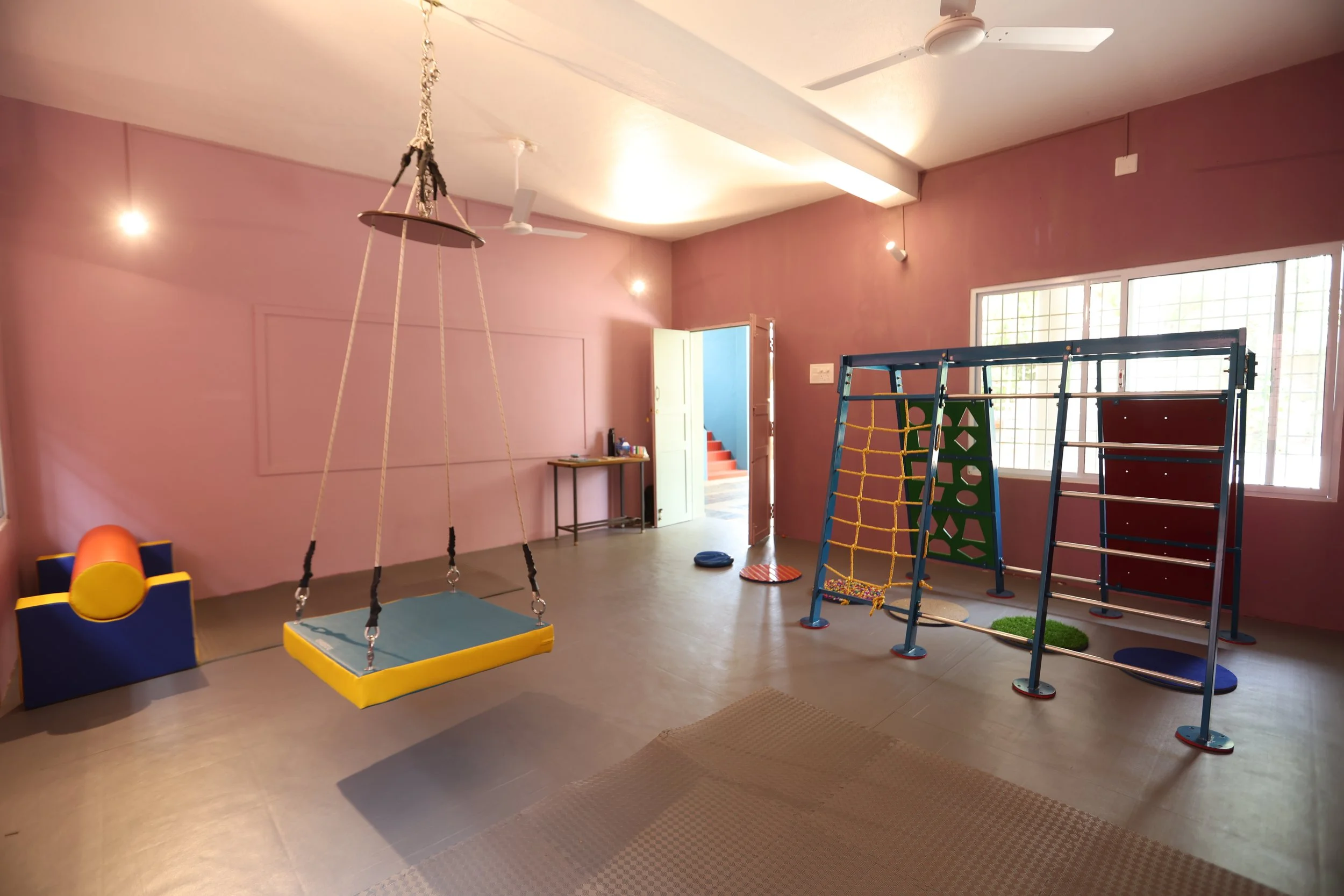
Our occupational therapy supports children in developing skills for everyday life, participation and independence.
Our areas of support include:
Play & Functional Skills
Play-Based Therapy
Occupation-Based Interventions
Everyday Living Skills
ADL & IADL Skill Training
Cognitive Skills
Cognitive-Perceptual Skills
Family Guidance
Parenting Styles Guidance

Psychology
Every child carries emotions differently.
Some show them.
Some protect them.
Some are still searching for a way to express them.
Feeling understood is often the first step toward confidence.
Our psychological support brings together different approaches, depending on each child's needs.
Our areas of support include:
Clinical Psychology & Assessment
Clinical Psychology
Psychological Assessment
Autism Assessment & Support
Behaviour & Emotional Support
Behavioural Intervention
Cognitive Behavioural Therapy (CBT)
Dialectical Behaviour Therapy (DBT)
Emotional Intelligence Therapy
Acceptance & Commitment Therapy (ACT)
Family & Relationships
Psychodynamic Therapy
Couples & Family Therapy
Parent Counselling & Training

Sensory Integration
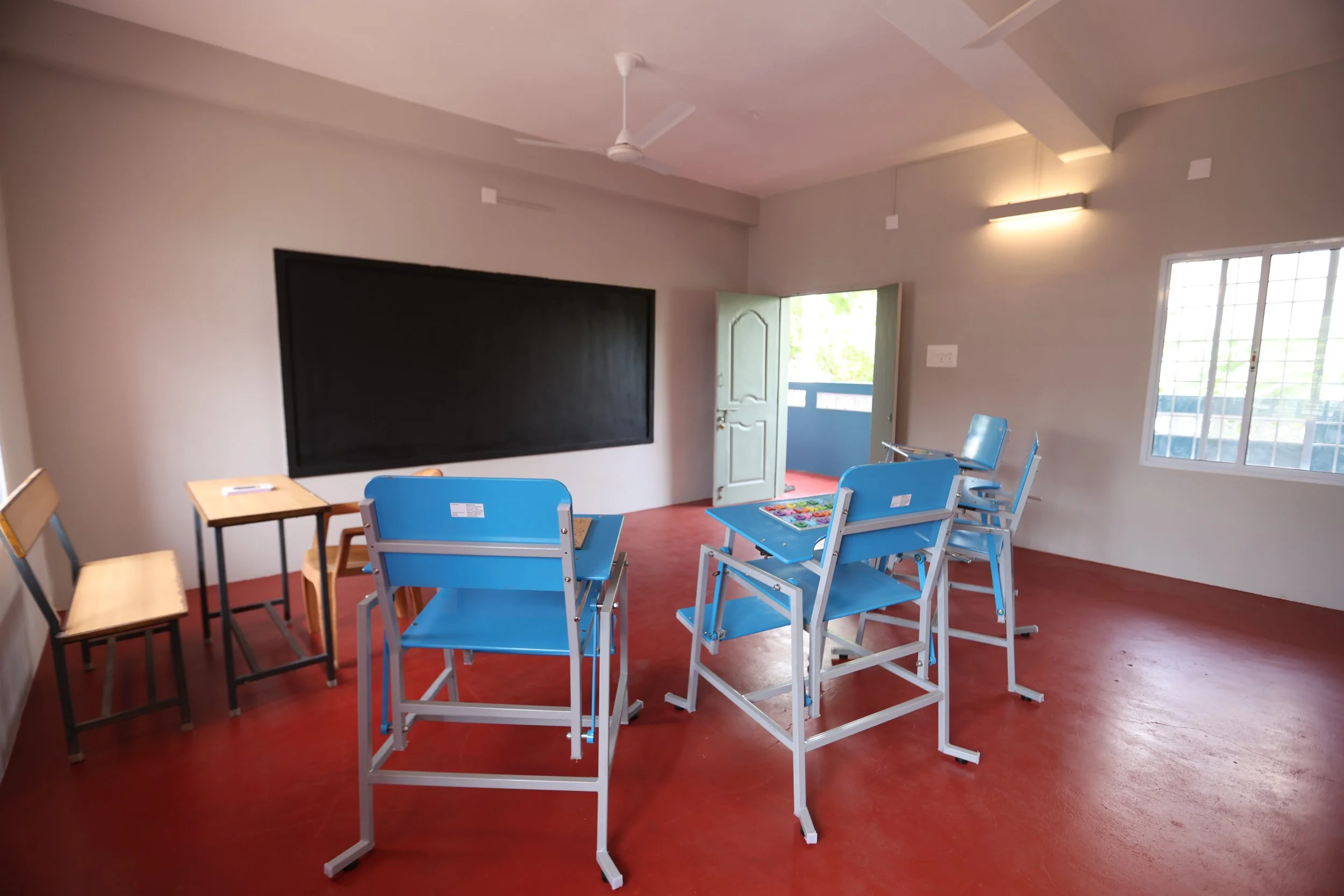
Our sensory integration approach helps children understand and respond to sensory information in ways that support their participation in everyday life.
The world can feel too loud.
Too loud.
Too bright.
Too fast.
Understanding those sensations often changes everything that follows.
Our areas of support include:
Sensory Processing
Understanding sensory needs
Supporting responses to sensory information
Sensory regulation
Sensory & Motor Experiences
Movement and body awareness
Balance and coordination
Tactile, visual and auditory experiences
Everyday Participation
Supporting attention and engagement
Helping children participate in daily activities
Supporting comfort and independence
Learn
No two children learn in quite the same way.
Some watch.
Some move.
Some repeat the same activity twenty times.
Then suddenly...
It clicks.
Learning has its own rhythm.
The role of education is not to hurry it.
Special Education
Teaching begins with understanding the child.
Strengths come first.
The lesson follows.
Every child can learn.
The path simply looks different.
Our approach to special education is shaped around each child's strengths, needs and way of learning.
Our areas of support include:
Learning Support
Individualised Learning Support
Classroom-Based Learning
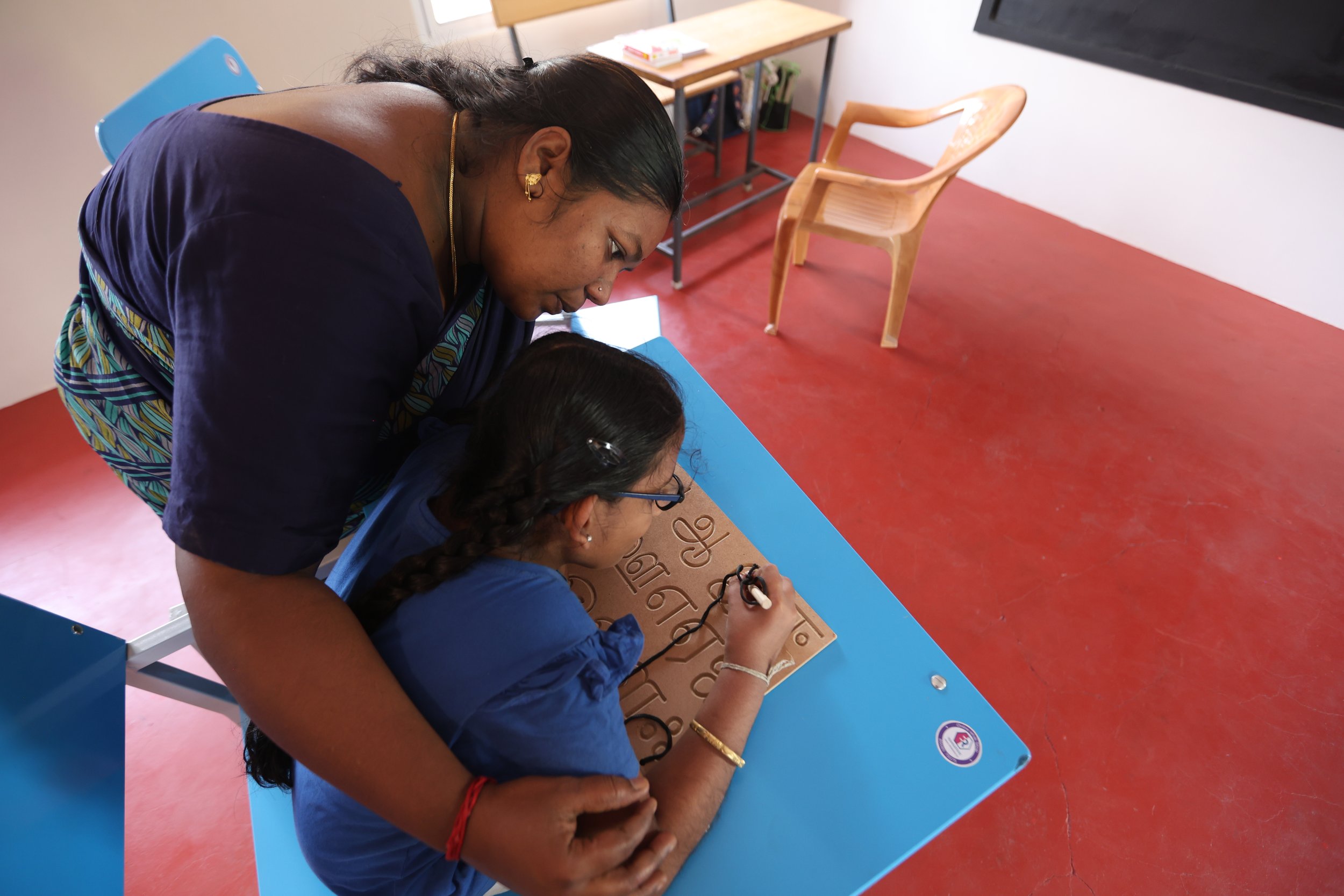
Classroom
Small groups.
Predictable routines.
Time to explore.
Time to pause.
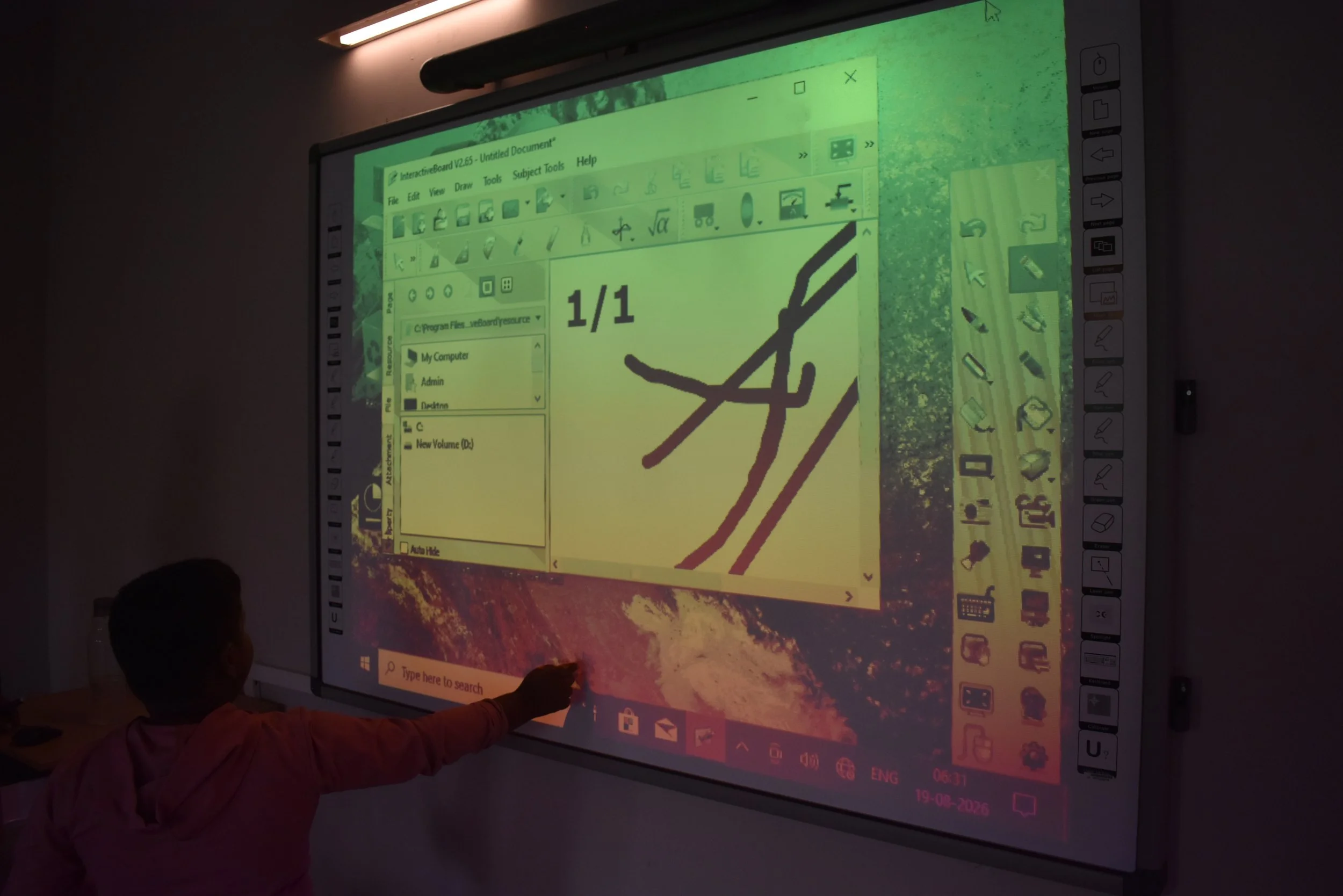
A classroom where feeling safe matters just as much as learning something new.
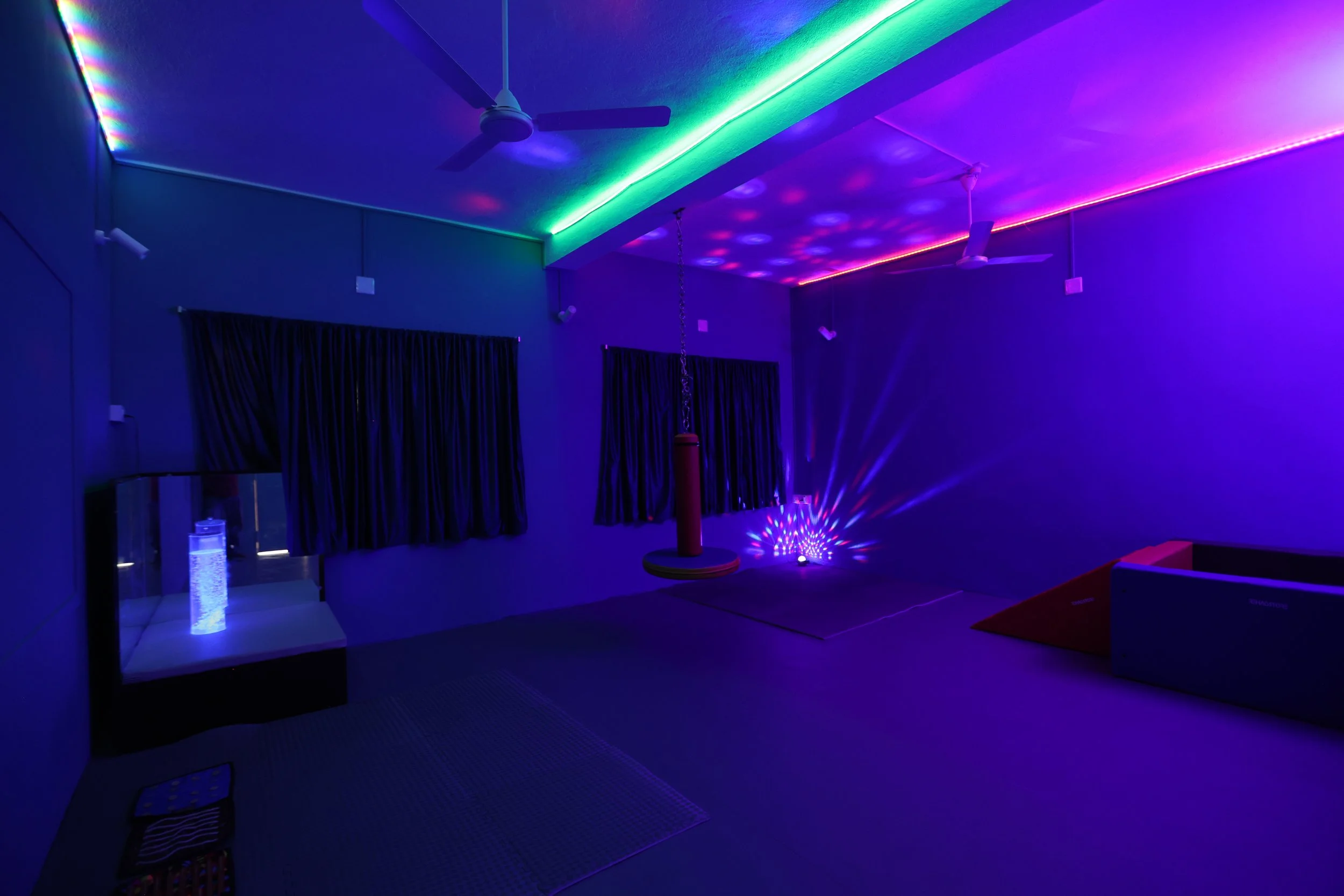
Our classroom environment is designed to give children the structure, space and support they need to learn and participate.
Our areas of support include:
Classroom Learning
Interactive Learning
Small Group Learning
Visual Learning Activities
Structured Learning
Predictable Routines
Individualised Learning Support
Opportunities to Explore and Pause
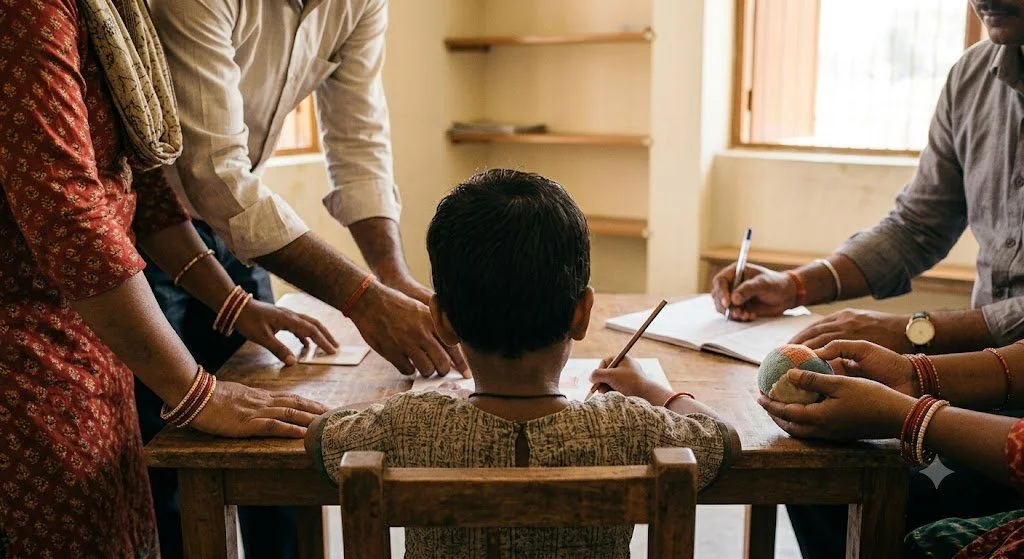
ONE CHILD.
ONE TEAM.
No single profession holds every answer.
Neither does one therapy.
Ideas move from one specialist to another.
Observations are shared.
Questions are asked.
Plans evolve.