
Equine-Assisted Therapy
A therapeutic experience
built around the child,
the horse and the relationship
that develops between them.
The Therapy
It starts with meeting
the horse
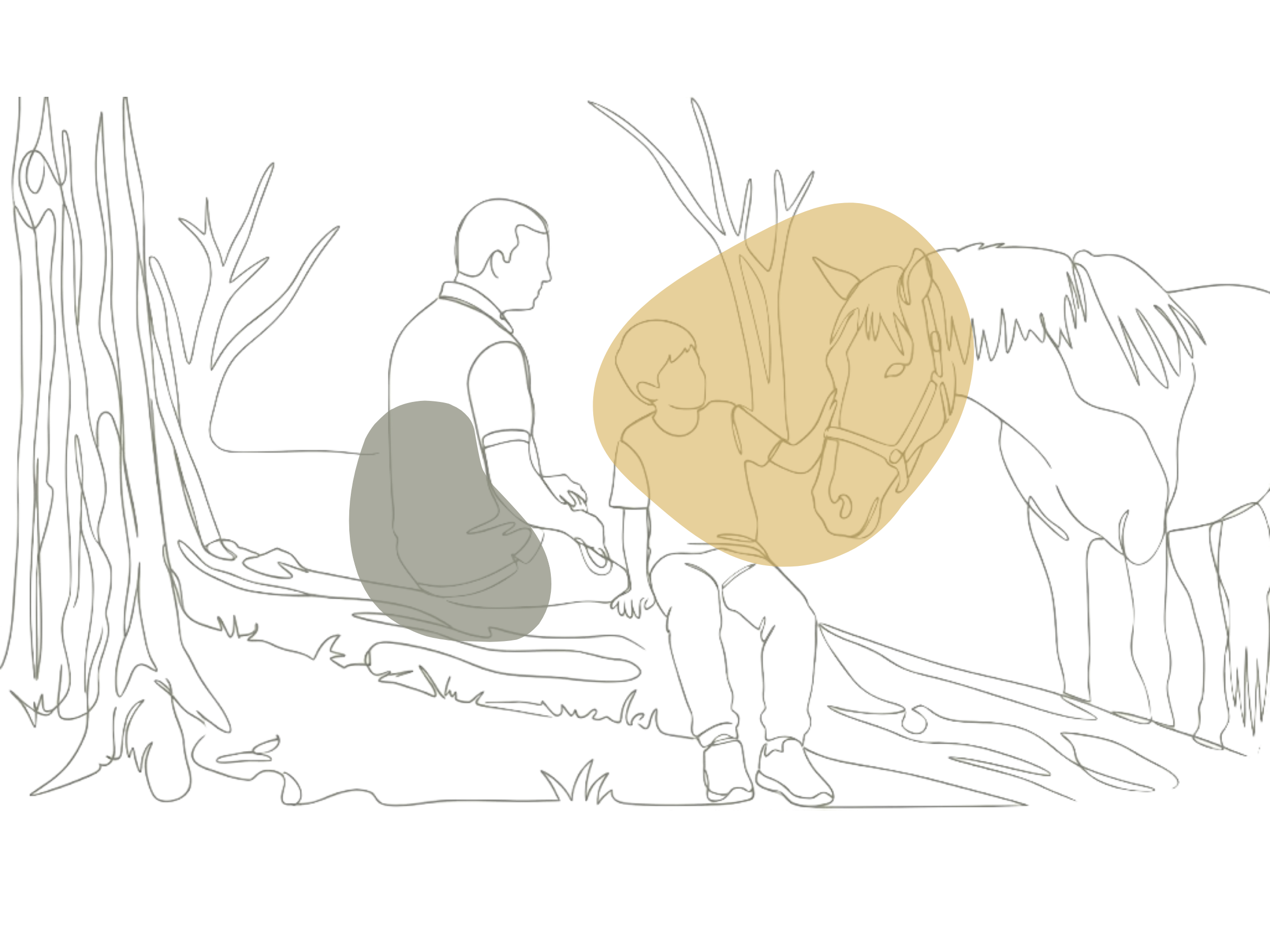
For some children, the first step is simply getting used to being near a horse.
The child can take time to watch the horse, approach it, touch it and become familiar with being around such a large animal.
As this becomes easier, other activities can be introduced, such as grooming, feeding, leading the horse and, when appropriate, riding.
These are familiar activities in an equestrian setting. What makes them part of therapy is how they are used with the child.
The therapist stays involved throughout the session, watching how the child responds and changing the activity when needed.
An instruction may need to be repeated. A movement may need more practice. Something that looks easy at first may turn out to be more difficult.
The child may need to wait, listen, make a choice or respond to what the horse is doing.
There is also time to let the child try.
A task does not always have to be completed straight away. More support can be given when needed, or the child can be given time to take the next step.
The session develops from what is happening in front of the child, rather than following the same plan every time.

The session develops from what is happening
in front of the child, rather than following the same plan every time.
The experience at
Satya Special School

An experience already part of Satya
Equine-assisted therapy is already part of the work at Satya Special School.
It is one of the experiences that forms part of the children’s time at the school,
alongside their other therapies and activities.
Another perspective
Being in a different setting can sometimes show something that is harder to see elsewhere.
A child may show an ability that does not usually come through during the school day.
A new interest, a small change in attention or a different reaction can tell the therapist something useful.
These small details can help build a better understanding of the child.

Beyond the equestrian setting
What is noticed during the experience can also be useful elsewhere.
The therapist can take these observations back into the wider work with the child.
The partnership with
Red Earth Riding School
A collaboration in Auroville
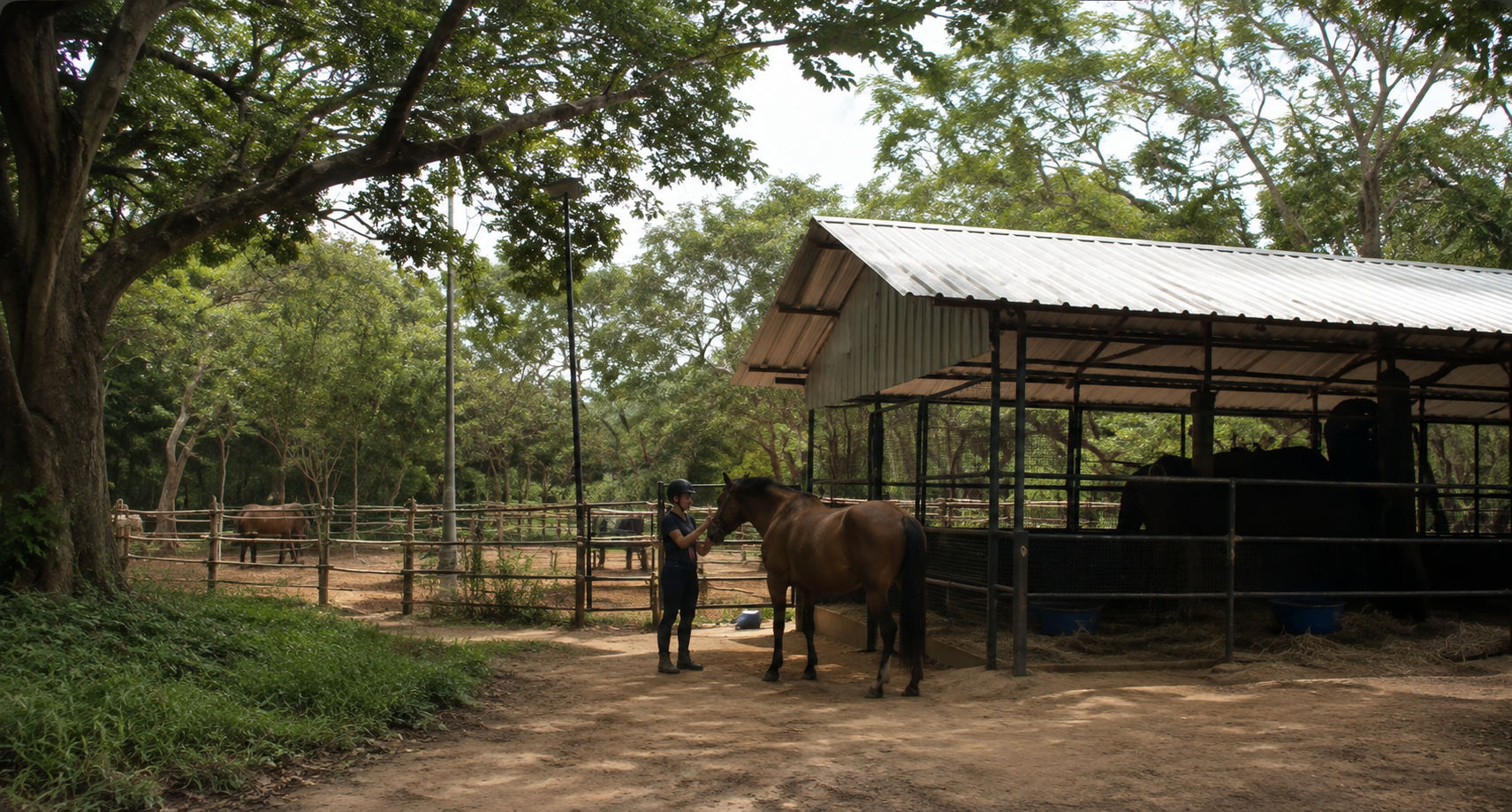
The program takes place in collaboration with Red Earth Riding School in Auroville, an equestrian centre surrounded by trees and open space.
Red Earth provides the horses, the riding facilities and the practical knowledge of working in an equestrian environment. Satya brings its experience of working with children with autism and its understanding of individual needs.
Working together makes it possible to offer the program within an established equestrian setting, while keeping the connection with the work carried out at Satya.
A shared space, bringing together equestrian and therapeutic experience.
The Aspire Project
Bringing the experience to Satya Aspire Center
The work at Satya Special School is also helping shape the plans for Satya Aspire Center.
Aspire will bring education, therapy, skills development and preparation for greater independence into the same environment.
The experience with equine-assisted therapy can become part of this wider setting. It builds on something that is already familiar at Satya and can develop further as Aspire grows.
The aim is to create a place where different forms of support can work alongside each other, rather than being treated as separate activities.
At Satya Aspire Center, the horse can become part of a wider environment where learning, therapy and growing independence come together.

Education
Therapy
Skills Development

Greater Independence
What the team learns through the program
helps shape the work at Aspire.
What Children
Can Work On
One activity can involve many skills
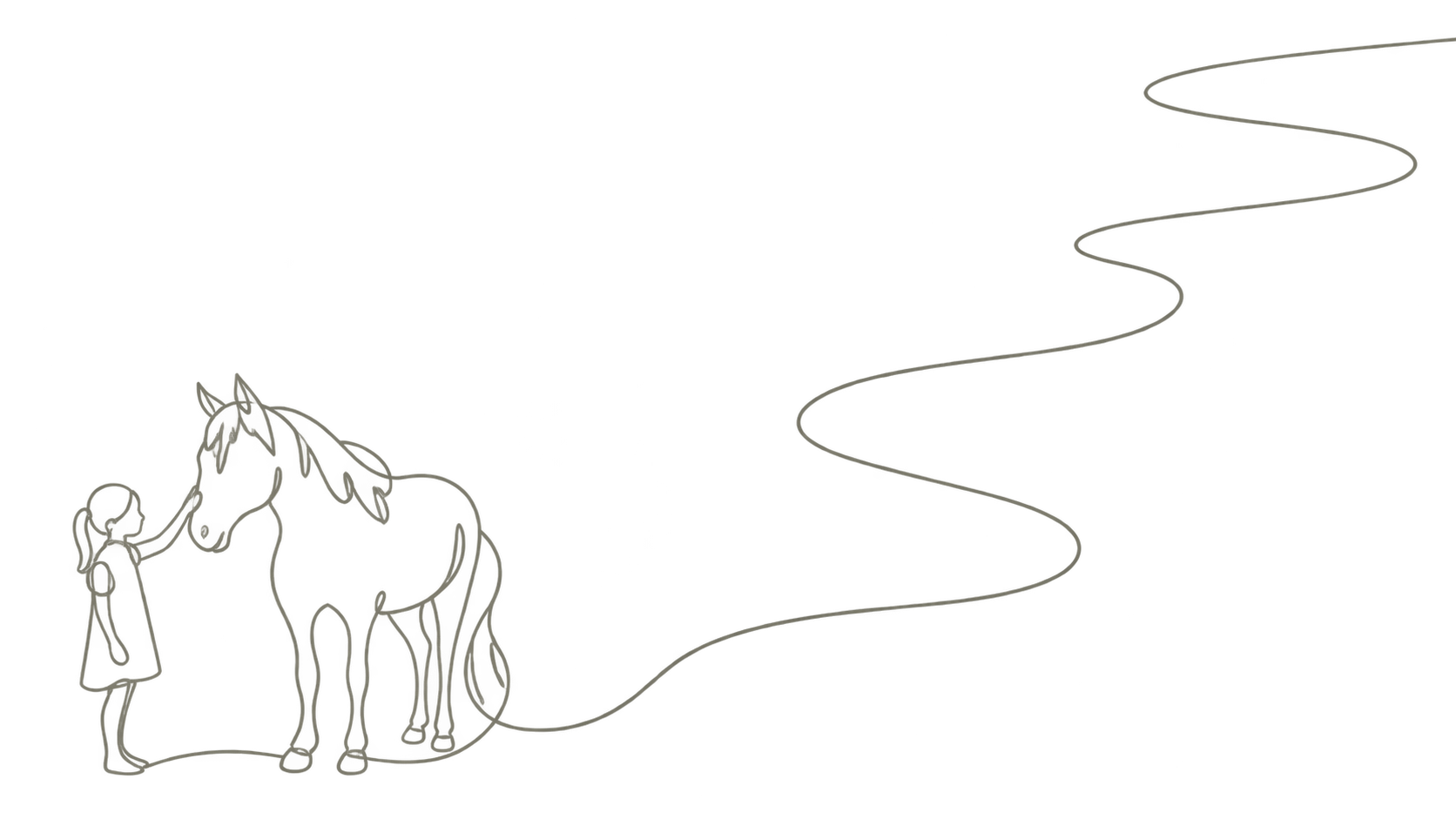
Working with a horse brings different skills into the same activity.
Depending on the child and the activity, communication, attention, movement, sensory regulation, confidence and independence can all be part of the session.
Communication
Choice, needs, responses
Attention
Noticing, focusing, responding
Coordination and body awareness
Movement, balance, body awareness
Sensory regulation
Touch, movement, sounds, sensations
Confidence
Trying, exploring, overcoming
Independence
Participation, responsibility, autonomy
A single activity can bring several areas together at the same time.
A DIFFERENT KIND OF EXPERIENCE
Learning through
the relationship
Working with a horse creates a different kind of experience — one based on interaction, attention and trust.
The horse responds to the child, and the child learns to respond in return. Through this relationship, moments of communication, discovery and growing confidence can take place naturally.
Progress does not always look like a new skill or a completed task. Sometimes it is simply approaching with less hesitation, staying a little longer, trying again or needing a little less help.